Child-Friendly Deck Designs: Safe and Enjoyable Outdoor Spaces for Kids
Designing a kid-friendly deck requires careful consideration of both safety and enjoyment for children. The proper materials and design elements can build a secure outdoor area while still fostering imaginative play. Thoughtful design elements ensure that parents can rest comfortably, knowing their kids are secure. Examining various ideas can produce a lively area that serves all family members. What innovative solutions can turn an basic deck into an outstanding family destination?
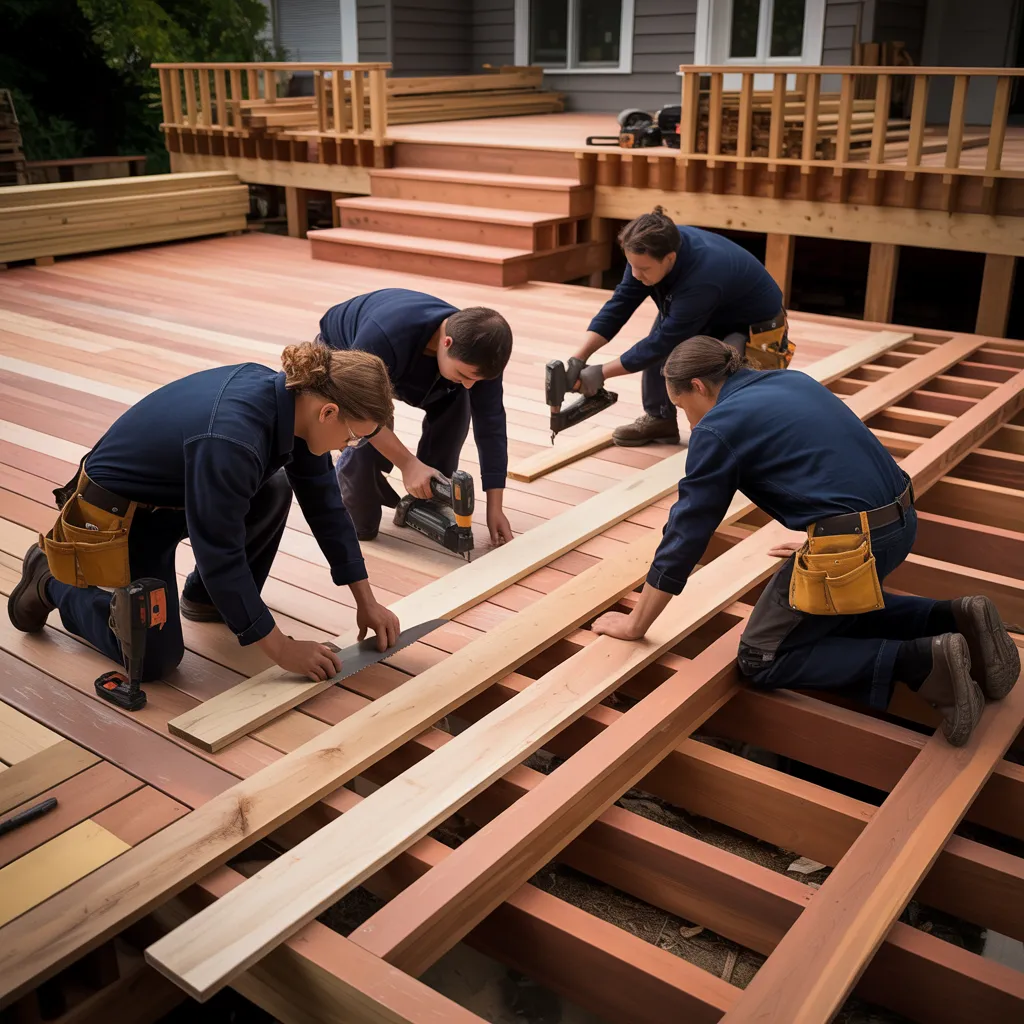
Picking Safe Materials for a Family-Friendly Deck
When creating a kid-friendly deck, selecting safe materials is paramount. Parents focus on the well-being of their children, making it essential to choose substances that reduce hazards. For deck construction, composite materials often stand out for their strength and splinter-resistant properties, which can reduce the risk of injuries. Furthermore, choosing wood treated with non-toxic treatments confirms that toxic substances do not seep into the surrounding environment.
Railings must be robust yet structured to prevent young hands from getting stuck or scaling them. Smooth textures are necessary to reduce the risk of cuts or abrasions, and curved edges can contribute to a safer environment. Additionally, selecting slip-resistant finishes is essential guide critical, most importantly in zones where moisture is common.
At the core of it all, mindful choice of materials play a role in building a secure outdoor setting where families can enjoy quality time together, promoting both fun and safety as core principles of the outdoor deck.
Innovative Design Concepts to Ignite Children's Imagination
Developing a child-friendly deck encompasses not only protection but also sparking children's creativity. To bring this to life, parents can add lively colors and whimsical designs that excite young minds. For example, placing a chalkboard surface supports imaginative play, letting kids to sketch and write without limits.
Adding themed spaces can also spark creative play; a pirate-themed corner, adorned with ropes and steering wheels, can transport children into adventurous domains. Soft, textured flooring, including interlocking foam tiles, creates a tactile experience that inspires exploration.
Additionally, including organic elements, like a small garden or sensory planters, can foster a sense of wonder about nature. A charming storytelling alcove, complete with plush seating and inspiring decor, encourages young ones to engage with their favorite tales. When these inventive design ideas are combined, a backyard deck can be converted into a captivating space that supports the imaginative growth of children while prioritizing their well-being.
Engaging Outdoor Games for Kids
Although a beautifully crafted deck serves as a great foundation, engaging outdoor games are essential for keeping kids active and entertained. Introducing activities such as cornhole and oversized Jenga helps encourage healthy rivalry, encouraging teamwork and coordination. These activities not only promote physical fitness but also enhance social skills as children interact and strategize together.
One other well-liked choice is a straightforward scavenger hunt, which can be tailored to different age groups. This pastime sparks curiosity and exploration, enabling kids to explore their environment while making memories. Additionally, timeless activities such as hopscotch or twister may be quickly organized on a deck, delivering hours of enjoyment.
Including a little area for chalk drawings can also spark creativity, enabling kids to express themselves artistically. In the end, a variety of entertaining games ensures that the outdoor space continues to be dynamic and inviting, making it a favorite spot for children.
Designing Inviting Family Areas on Your Deck
Building comfortable family environments on a deck demands thoughtful design and preparation. Cozy seating arrangements, kid-friendly flooring options, and designated shade areas can transform an outdoor space into a welcoming retreat for all ages. By combining these components, families can experience valuable time together while prioritizing comfort and security.
Inviting Seating Configurations
A carefully planned deck can become a family's favorite gathering spot, especially when comfortable seating setups encourage rest and togetherness. Incorporating a mix of versatile seating choices, such as upholstered benches, roomy chairs, and hammocks, assures everyone has a place to rest. Resilient, all-weather textiles in rich tones can amplify the cozy environment, while throw pillows contribute an element of coziness and elegance. Arranging seating in a circular layout fosters conversation, making it easier for families to connect while enjoying outdoor time. Furthermore, adding a covered space with an umbrella or pergola can shield from the weather, ensuring that the space remains enjoyable year-round. Thoughtful seating arrangements transform a deck into a cherished family retreat, designed for building timeless experiences.
Child-Safe Flooring Choices
Once you have established cozy seating arrangements, focus shifts to the importance of picking out kid-friendly floor coverings for a household deck. Both safety and comfort are critical when children are playing outdoors. Durable materials like composite decking or rubber tiles provide a soft surface that can cushion falls, reducing the risk of injury. Moreover, these materials offer slip resistance, guaranteeing safe footing while playing. For families seeking an eco-friendly choice, sustainably sourced bamboo or repurposed wood can be simultaneously attractive and eco-conscious. Proper drainage is also a consideration; materials that promote water drainage help maintain dry and safe surfaces. All things considered, choosing the right flooring not only enhances safety but also creates an inviting space for family gatherings and activities.
Shade Zones and Comfort Areas
How can families enjoy their outdoor space while staying protected from the sun? Creating shade and comfort zones on a deck is essential for maximizing outdoor enjoyment. Homeowners can install pergolas, retractable awnings, or oversized umbrellas to protect against intense sunlight. These additions not only offer a refreshing shaded area but also elevate the deck's visual charm. In addition, incorporating weather-resistant rugs and comfortable outdoor seating can form cozy gathering spaces where parents can watch over their kids as they enjoy themselves. Adding greenery, like container trees or trailing vines, can greatly enrich the shaded outdoor setting. With careful planning of these retreat areas, families can make use of their deck throughout the year, establishing a secure, enjoyable, and soothing environment for everyone.
Important Safety Features to Include on Your Deck
When designing a family-oriented deck, safety features are essential. Solid railings and gates offer essential security, while slip-resistant surface materials help avoid mishaps. Combined, these components establish a safe space for family events and outdoor enjoyment.
Strong Railings And Gates
Durable railings and gates are vital safety features for every family-oriented deck, guaranteeing that kids and animals can use outdoor spaces without danger. These features create a safety barrier that prevents accidental falls and maintains children contained within a secure area. These railings should be no less than 36 inches tall, constructed from sturdy materials, and featuring narrowly spaced balusters to remove the risk of climbing. These gates should be self-closing and self-latching to prevent unauthorized access, providing parents with peace of mind. Furthermore, adding additional locks can improve safety, particularly in households with young children. Through prioritizing robust railings and gates, homeowners can establish a protected environment that promotes outdoor activity and exploration while minimizing potential dangers.
Non-Slip Surface Materials
Creating a safe outdoor environment for families goes further than secure railings and gates to include non-slip surface materials. Such materials are critical for reducing slip and fall incidents, especially in wet conditions. Options such as textured composite decking, rubber pavers, and treated wood provide both safety and aesthetic appeal. Textured surfaces increase friction, lowering the chance of injuries while playing. Furthermore, applying non-slip coatings on existing surfaces will boost security without demanding an entire renovation. Homeowners should additionally explore drainage solutions to minimize standing water, further improving safety. By prioritizing non-slip materials, homeowners can establish a welcoming exterior area that enables kids to enjoy unrestricted play while ensuring their well-being.
How to Maintain Your Kid-Friendly Deck
Maintaining a family-friendly deck demands consistent upkeep to guarantee longevity and safety. Periodic assessments should be carried out to detect any unsecured boards or exposed nails that could present safety risks. Washing the deck surface with a mild soap mixture helps remove dirt, mold, and mildew, promoting a protected play space. Furthermore, it's crucial to renew protective coatings on a routine basis to avoid moisture damage and copyright the deck's durability.
Families should also check barriers and railings to verify they are secure and high enough to avoid accidents. Regularly trimming nearby trees or shrubs can decrease the collection of leaves and debris and increase sunlight penetration, which assists in drying out the deck following rain. Finally, properly storing outdoor toys and gear can eliminate clutter and maintain an orderly space. By implementing these care routines, households can maintain a safe and pleasant deck environment for their children.
Budget-Friendly Solutions for a Family-Friendly Deck
Affordable approaches can markedly enhance a family-friendly deck without straining your budget. Simple elements like outside area rugs can section off play zones while delivering both comfort and protection. Incorporating recycled materials, such as wooden pallets or storage crates, can generate distinctive seating and storage alternatives for kids' belongings, helping the area stay tidy and organized.
Incorporating potted plants or vertical gardens brings natural greenery without the necessity of extensive landscaping. Cost-effective, subtle lighting, for example outdoor string lights, helps create a pleasant, inviting setting for evening gatherings with family.
Additionally, choosing cost-effective, weather-proof furnishings ensures lasting durability and effortless maintenance. A DIY sandbox made from inexpensive wood can deliver boundless enjoyment for young ones.

Questions We Often Receive
What Are the Top Plants for a Kid-Friendly Deck Zone?
Safe deck plants for kids feature lavender, marigolds, and snapdragons, as they are safe and hardy. Furthermore, decorative ferns and ornamental grasses deliver beauty while creating a secure space for kids to discover and appreciate.
What Are the Best Ways to Include Storage for Kids' Outdoor Toys?
Integrating storage options for kids' outdoor playthings is possible through the use of decorative storage benches, under-deck cabinets, or weather-resistant bins. These options help keep toys neatly arranged, enhance safety, and preserve a clean, welcoming outdoor area.
Are There Eco-Friendly Options for Deck Materials?
Eco-friendly options for deck materials include composite materials made from reclaimed plastics, bamboo, and recycled wood. These selections reduce environmental impact while offering durability and visual appeal, rendering them perfect for sustainable outdoor environments.
Which Age Group Benefits Most from a Deck for Children?
Decks are most suitable for kids between the ages of 3 and 12, as this age group typically enjoys playing outdoors and exploring their surroundings. Design elements and safety features should support their developmental requirements and energetic play patterns.
How Do I Child-Proof Railings on My Deck?
To child-proof deck railings, you can add vertical slats that are no more than four inches apart, add netting or mesh panels, and ensure the railing measures no less than 36 inches in height to prevent accidental falls.